
⌂ → Об искусствеВертикальный страх: почему на картинах так много лестниц, ведущих в никуда (и кто по ним ходит)
Most people pass by staircases in daily life without a second thought. We use them to reach upper floors, access basements, or exit buildings in emergencies. In painted works, these structures shift from functional background elements to active participants in the scene. Artists across centuries have used stairs to shape how viewers interpret a figure’s status, mood, and relationship to the space around them.
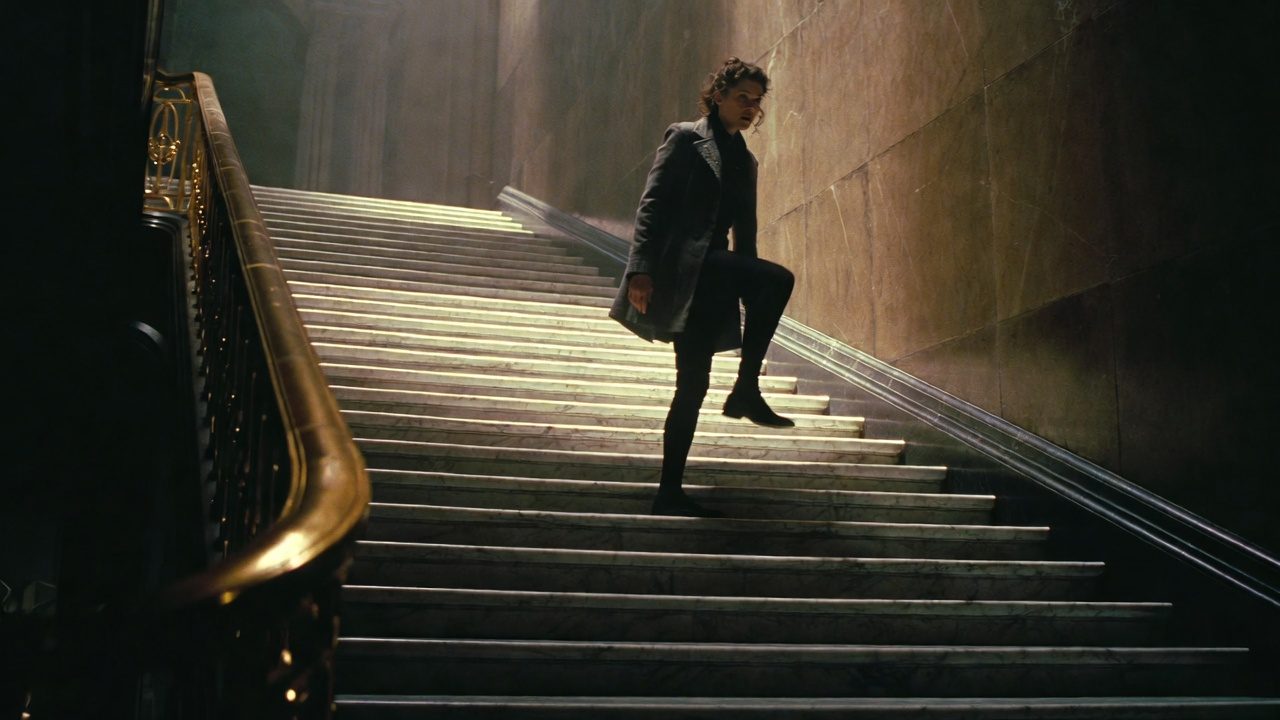
Steepness of steps shapes how viewers perceive a scene’s tension. Steps with a rise of 20 centimeters or more — far steeper than the standard 15 centimeter rise in modern building codes — force figures to lift their knees high, making their posture look strained or urgent. A figure pausing on such a staircase seems caught between forward motion and retreat — unsure of their footing on the narrow treads.
Геометрия страха и социальный лифт
Stairs have long signaled social mobility in visual art. A wide, grand staircase with polished marble steps and gilded railings signals wealth and status. Figures posed at the top of such a flight appear untouchable, separated from the lower levels by both physical height and social rank. Conversely, cramped, dimly lit stairs with worn treads often frame servants, laborers, or marginalized figures moving between spaces unnoticed.
Religious art frequently uses stairs to denote a path to the divine. Long, straight flights leading to open skies or glowing halos — position holy figures as intermediaries between earth and heaven. These stairs often have no railings — a choice that highlights the figure’s faith rather than their fear. The logic follows that a devout subject has no need for safety features, their trust in a higher power replacing physical support.
Secular works flip this dynamic. A staircase without railings in a portrait of a noble figure may signal arrogance or recklessness rather than piety. The viewer worries not for the figure’s soul, but for their physical safety — or judges their willingness to risk injury to maintain a pose of confidence. Some painters exaggerate the angle of stairs to make the structure look unstable — as if the entire flight could collapse under the figure’s weight.
This tension sticks with the viewer long after they look away. The primal fear of falling needs no translation — crossing cultural and historical boundaries with ease.
Путь вверх и риск падения
Direction of movement on stairs carries distinct meaning. Figures ascending are often framed as ambitious, seeking power or redemption. Those descending may be portrayed as defeated, exiled, or returning to a lower station in life. A figure standing still on a staircase occupies a liminal space — neither gaining nor losing ground, their status suspended in the moment the painter captured.
Servants in domestic scenes often appear on back stairs, narrow, unadorned flights tucked away from grand entryways. These spaces are functional, not decorative, their steep steps and low ceilings emphasizing the physical labor of carrying goods or messages between floors. The contrast between the grand front staircase and the hidden back stairs maps directly to social hierarchies within a single household.
| Деталь лестницы | Значение в контексте картины |
|---|---|
| Отсутствие перил | Уязвимость фигуры или её безграничное доверие высшим силам |
| Крутые ступени (подъём более 18 см) | Спешка, напряжение или социальное давление |
| Винтовая форма | Запутанность пути, скрытые мотивы героя |
| Лестница без видимого конца | Неопределённость будущего, отсутствие цели |
| Фигура застыла на середине пролёта | Замешательство, переходное состояние |
Artists often play with perspective to make stairs look longer than they are. A staircase that recedes into a dark corner of the canvas seems to stretch on forever, its destination hidden in shadow. Figures climbing such a flight look small, their progress slow against the vast, empty vertical space. The viewer strains to see where the steps end, mirroring the figure’s own uncertainty.
Narrow spiral stairs, common in medieval and Renaissance architecture, create a sense of claustrophobia in paintings. The winding treads force figures to turn their bodies sideways — their shoulders brushing imaginary walls. For viewers who have climbed such stairs in real life — the kind where the center pole is so wide the steps taper to a useless point at the inner edge — the discomfort is immediate.
The sound of footsteps on stone is almost audible in these works. A viewer can imagine the clack of leather soles on worn marble, the echo of a hem brushing a step. This sensory detail pulls the viewer into the scene, making the vertical drop feel more real, more immediate.
Varied tread depths add another layer of unease. Steps that narrow as they curve toward the center make a figure’s footing look precarious — even if the painter does not show a slip or fall. The viewer’s mind fills in the gap — imagining the scrape of a shoe on stone, the stumble, the tumble down the hard, unforgiving flight.
This effect requires no specialized knowledge to recognize.
Кто поднимается, кто спускается
Painters still use stairs to build tension in contemporary works. The vertical drop, the unstable tread, the figure frozen mid-step — these elements trigger the same ancient fears they did centuries ago. A viewer does not need to know art history to feel a chill when a painted figure leans too far over a railing-less staircase. The body remembers the risk of falling, even when the only thing at stake is a flat, canvas surface.