
⌂ → МузейноеПаспортный контроль для шедевра: как Мону Лизу упаковывают в чемодан и почему она не боится турбулентности
Most visitors to the Louvre stop in front of the Mona Lisa, jostling for a clear view of the small panel painting behind bulletproof glass. Few pause to consider that this portrait has crossed borders more often than most career diplomats. It has traveled by reinforced truck, private jet, and once, in the 1960s, by ocean liner with a dedicated security detail that outnumbered the crew.
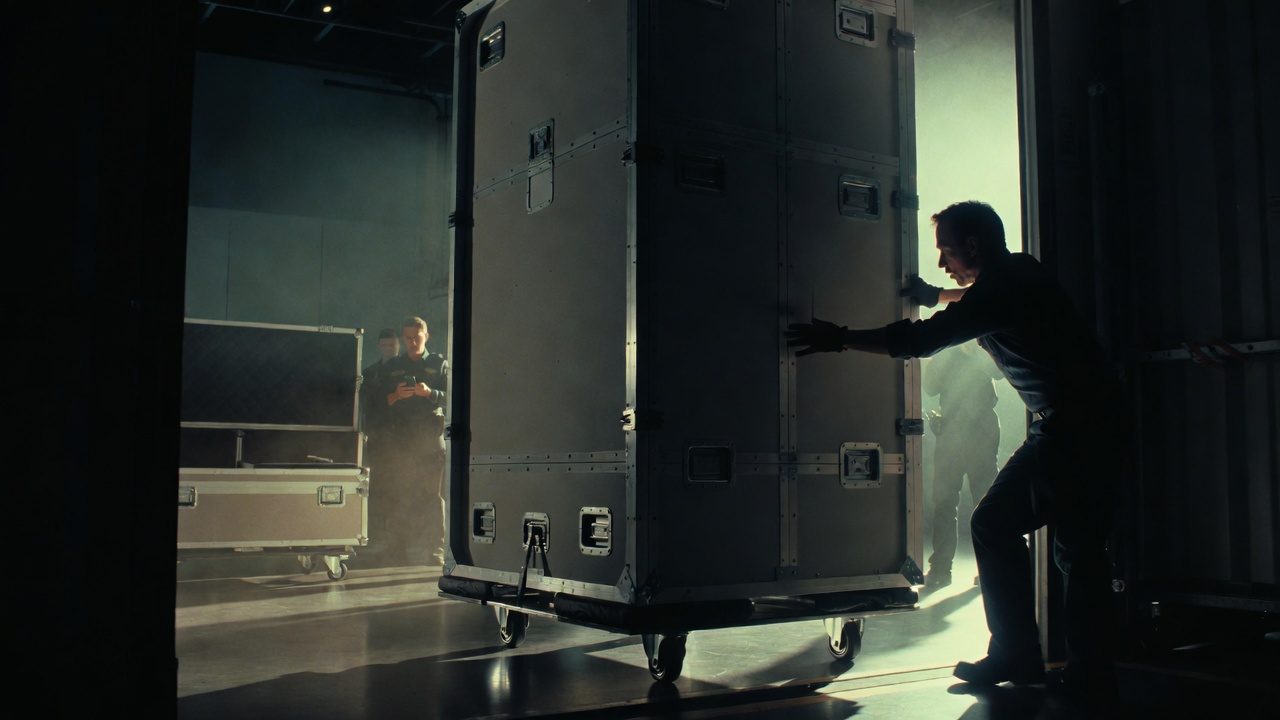
Кейс для шедевра, а не чемодан
Paintings classified as cultural heritage do not travel as ordinary passengers. Museum logistics teams treat each movement as a high-stakes operation, balancing preservation needs with strict security protocols. A single cross-border transfer can take 18 months to plan, with every step from packing to customs clearance mapped out in advance.
The core of any art transport is the travel frame, often called a museum sarcophagus by handlers. This rigid, shock-absorbent case maintains a constant temperature of 20 degrees Celsius and relative humidity of 50 percent, matching the conditions of the painting’s home gallery. Sensors inside the case transmit real-time data to a monitoring team, alerting them to any shift in pressure or moisture.
No masterpiece ever flies in commercial baggage holds. The unpressurized, unregulated environment of cargo compartments poses too much risk to organic materials like canvas and oil paint. Even a short flight can expose a painting to temperature swings of 30 degrees or pressure drops that warp wooden frames. For this reason, couriers accompany every work, carrying it in the cabin when possible.
We once booked a full business class row for a 16th-century panel painting traveling to Tokyo. The seat belt was adjusted to hold the travel frame secure, and a courier sat next to it for the entire 12-hour flight. The airline did not allow other passengers to sit in the adjacent seats, to avoid accidental bumps.
Дипломатический статус багажа
Museum couriers hold diplomatic passports for these trips, granting them expedited customs processing in most countries. Some nations classify high-value artworks as diplomatic baggage, meaning they are not subject to standard searches or x-rays that could damage pigments. This status places the works in a category closer to VIP prisoners or visiting dignitaries than tourist luggage.
| Параметр | Туристский багаж | Транспортировка шедевра |
|---|---|---|
| Микроклимат | Нестабильный, зависит от отсека | 20°C, 50% влажности, постоянный |
| Охрана | Общая служба авиалинии | Личный курьер, вооружённый эскорт при необходимости |
| Таможня | Стандартный досмотр | Дипломатический статус, без рентгена |
| Страховка | До 1000 евро для большинства | До 1 миллиарда евро для шедевров первого ряда |
The Mona Lisa’s 1963 tour of New York and Washington remains one of the most complex art logistics operations in history. The painting traveled in a custom-built case lined with velvet, carried on a French navy vessel with a 24-hour armed guard. When it arrived in New York, a motorcade of 12 vehicles escorted it to the Metropolitan Museum, with streets cleared along the entire route.
Travel frames are tested to withstand forces up to 5 times the force of gravity, meaning even severe flight turbulence will not shift the painting inside. The case is bolted to the aircraft floor — a standard procedure for all cabin-stowed artworks — and shock-absorbent foam fills every gap between the frame and the case walls. A painting inside this setup feels no more movement than it would hanging on a gallery wall.
A 30 by 40 centimeter sketch by Rembrandt will receive the same level of care as a 3-meter-wide history painting. The cost of transport for a single mid-tier masterpiece can exceed 2 million euros, including insurance, custom case construction, and security. This expense is why most traveling exhibitions group multiple works together, to share logistics costs across institutions.
Customs officers in most countries know the protocol for art shipments. They check the accompanying documentation, verify the diplomatic seal, and wave the courier through without opening the case.
Some logistics teams use decoy shipments to throw off potential thieves. A fake travel case with a duplicate painting will take a different route, while the real work travels on a private charter with no public itinerary. This practice is standard for works valued above 500 million euros.